The City of Ottawa is introducing a new Access By-law, which will replace the current Private Approach By-law (2003-447). On April 8, 2026, the new Access By-law will be enacted.
The Access By-law brings driveway rules in line with the Zoning By-law and allows for modest driveway expansions or private walkways that connect to a sidewalk or roadway without the need for a permit. The City regulates driveways and walkways through the Zoning By-law for the portion on private property and the Access By-law for the portion that extends into the City’s right of way (ROW). The part of a driveway or walkway in the ROW is called the vehicular or pedestrian access. Once enacted, the Access By-law will be available on the City’s By-laws page.
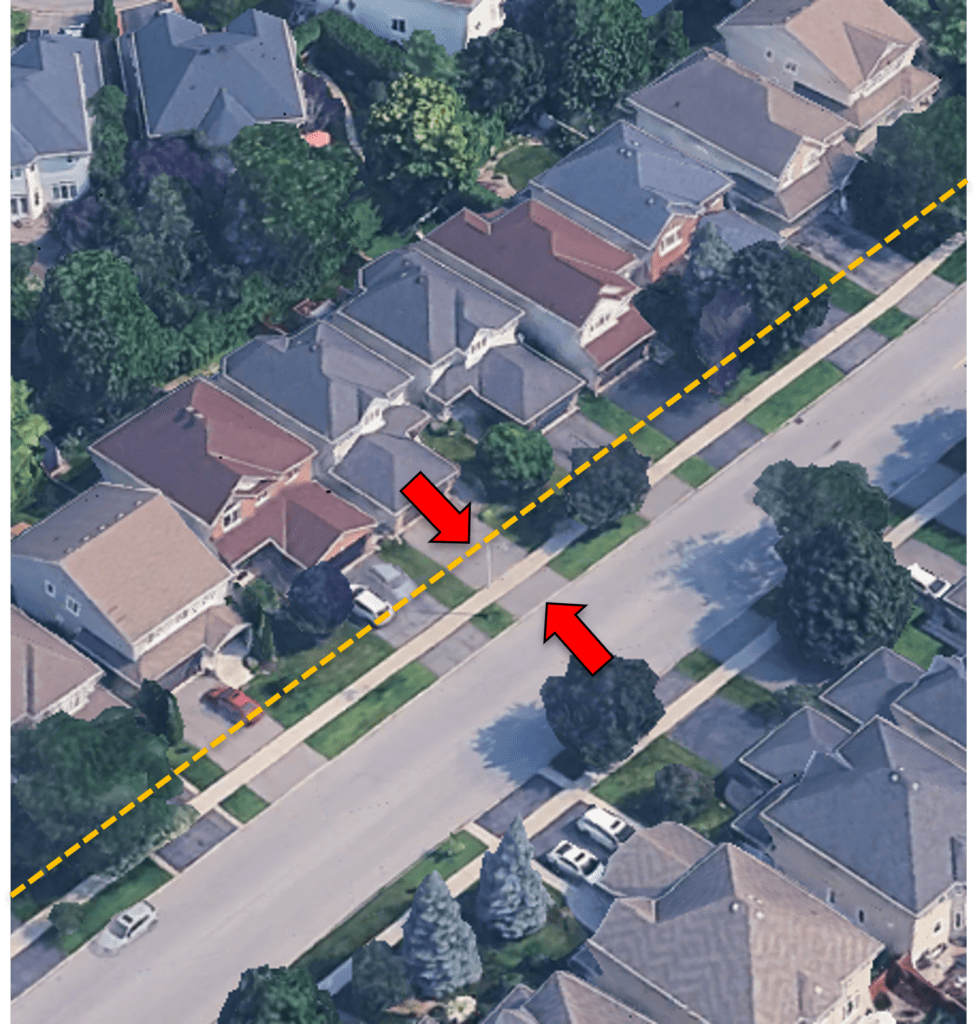
The City’s geoOttawa platform can be used to find the approximate boundary between the City’s ROW and your property. Check the geoOttawa instructions on the Right of Way page for help using the program.
Why is there a new Access By-law?
The City has rules for the ROW, including property owner maintenance, what can be installed and where, and who is qualified to do different types of work in the ROW. The Access By-law will make the rules for driveway construction, use and maintenance that were in the previous Private Approach By-law simpler and clearer to understand and will also include clear rules for walkways to align with the new Zoning By-law. It will streamline approvals, reduce red tape and give staff more flexibility in reviewing access locations and designs.
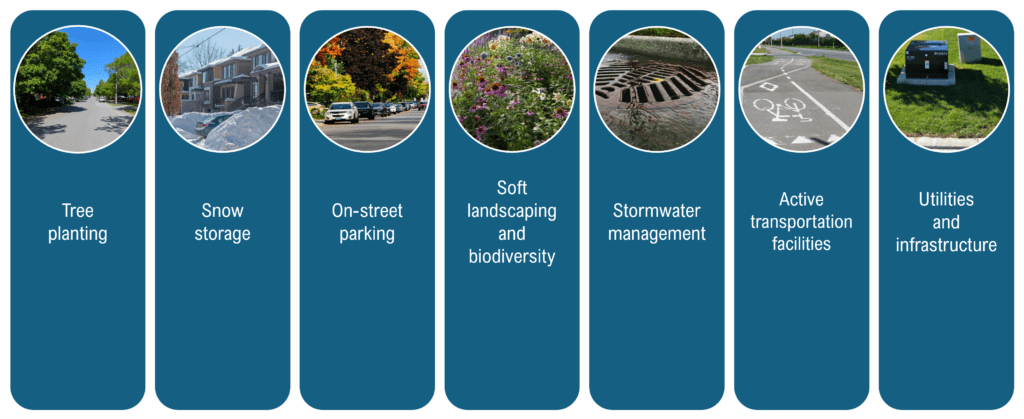
The Access By-law helps preserve essential greenspace in the ROW for planting trees to grow the tree canopy, storing snow and soaking up rain and runoff, and design rules that allow for on-street parking opportunities and support pedestrian and cycling infrastructure.
Access maintenance requirements
Maintenance and liability for the portion of a driveway or walkway in the ROW (vehicular or pedestrian access) rests with the abutting property owner. Accesses, including any curbs, culvert pipe, headwalls, and steps, must be kept in a good state of repair to not cause injury or damage to property. Where an access includes a culvert, the property owner must also make sure there is clear open passage of water through the culvert.
Permit information
Residential pedestrian accesses (walkways) and limited driveway extensions can be installed without a permit if they can meet all by-law rules.
An access permit is required before a property owner can construct, modify (including widening), close or remove an access. This applies for residential vehicular access (driveways) as well as farm and field access, temporary access, vehicular access for other land uses, or a pedestrian in some cases. Permits are not required to resurface an access.
An access permit cannot be issued if the construction or use of the proposed access doesn’t follow the Access By-law or other City by-laws, including the Zoning By-law. Related Zoning By-law requirements include the parking area, driveway and/or walkway and the land use. Contact a Development Information Officer (DIO) if there are questions about your property and project (dioinquiry@ottawa.ca) before applying for an access permit.
Any business that installs, alters or paves hard landscaping features including a vehicular or pedestrian access, must be licensed with the City of Ottawa as a hardscape contractor.
Landscaping education guide
Whether you’re working with a contractor or tackling a project yourself, read through the City’s Landscaping Education Guide before you start. This guide is a comprehensive overview of the City’s requirements for driveways, hard and soft landscaping, drainage and grading plans, protecting trees, fences, and pools and other water features.
Access Culverts
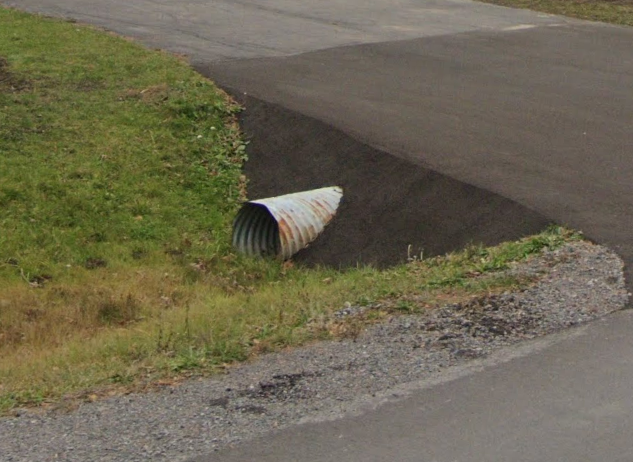
Ditches are part of the City’s stormwater system and cannot be altered. If your driveway or walkway crosses a ditch, a culvert may be required. All new, widened, or reconstructed access culverts must be approved and built to City standards. Property owners are responsible for maintaining, repairing, or replacing culverts.
More information on ditches, including ditch maintenance and ditch alteration, can be found on the ditches page.